
Winter Break Camps in Brooklyn: What to Look For Before You Book

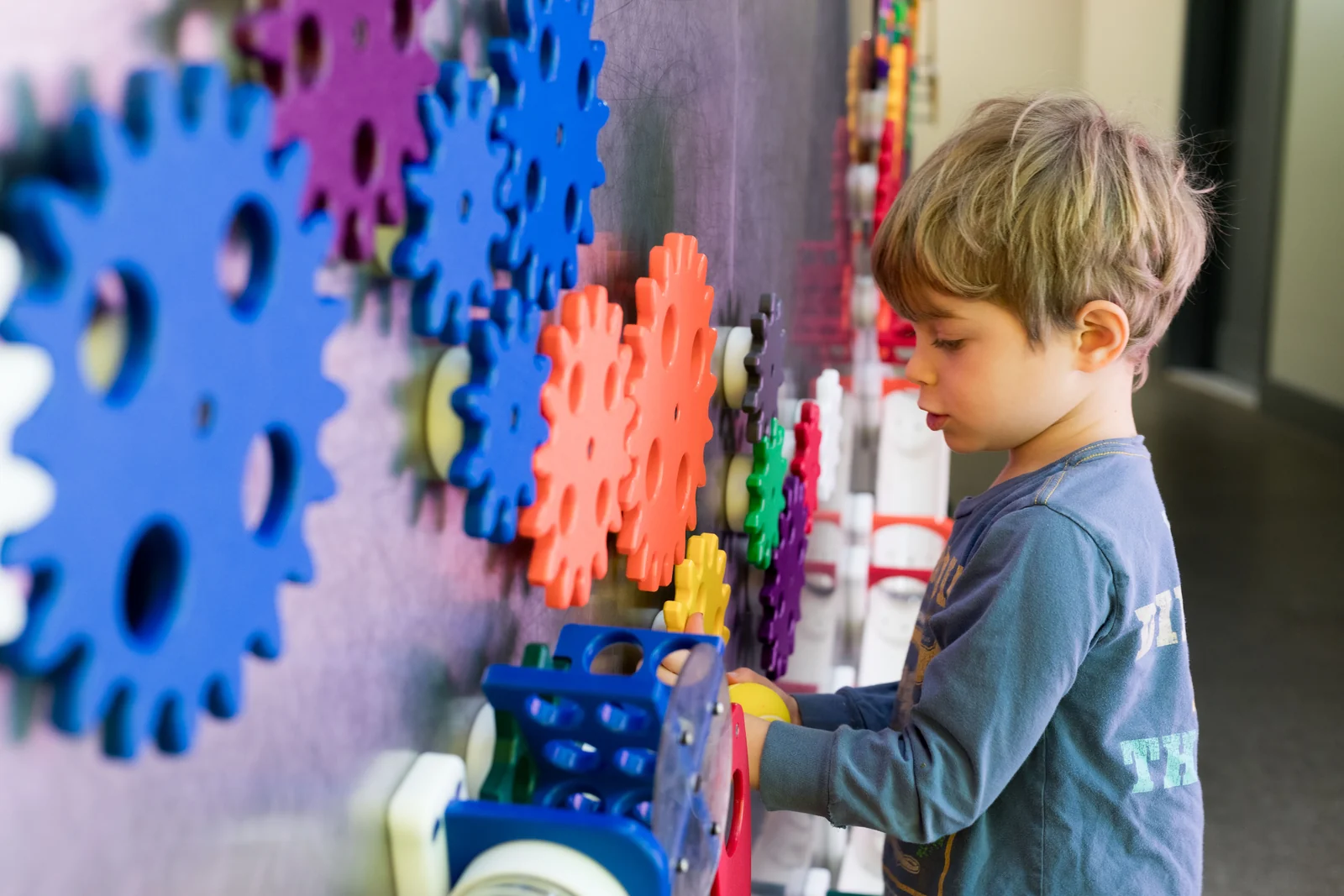
When school closes for the holidays, many families start searching for winter break camps in Brooklyn that will keep kids busy, safe and curious while parents keep working. The options can look alike on a website, but the day your child actually has can be very different from one program to the next. This checklist walks you through what to look for, what to ask, and what to pack, so you can book with confidence.
Start With Your Child, Not the Brochure
Before you compare programs, take a minute to think about your own child.
- What does a good day look like for them? Some kids love a busy room full of new friends. Others do better in a smaller group with a predictable routine.
- What are they into right now? Dinosaurs, bugs, space, building, mysteries? A camp theme that matches a current obsession makes drop-off much easier.
- How long can they comfortably go? A younger child may be happier with a shorter day, while an older child may be ready for a full one.
Writing down two or three priorities helps you cut through marketing language quickly.
Check How Kids Are Grouped by Age
Age grouping matters more than many parents expect. A four-year-old and a ten-year-old need very different activities, attention spans and levels of independence.
Look for camps that:
- Group children into clear age bands rather than mixing everyone together all day.
- Adjust activities for each group, not just the length of the activity.
- Can tell you which group your child would join and roughly how many kids are in it.
If a program serves a wide age range, ask how they keep older kids challenged and younger kids comfortable at the same time.
Ask What a Typical Day Looks Like
A good camp can describe its day in plain terms. Ask for a sample schedule and listen for a mix of:
- Active, hands-on time, where kids build, test, explore and move around.
- Calmer moments, such as snack, lunch, reading or quiet projects.
- Transitions that are planned, not long stretches of waiting around.
Also ask about arrival and pickup. Who signs kids in and out? What happens if you are running late? Clear answers here usually point to a well-organized program overall.
Hands-On Learning vs. Screen Time
Winter break often means more time indoors, and it is easy for a day to drift toward movies and devices. Ask directly how much screen time is part of the day, if any.
Programs built around hands-on activities give kids a chance to touch real materials, try an idea, see it fail and try again. That kind of learning tends to stick, because children are doing the thinking themselves. If you want a deeper look at why this matters, our post on why hands-on learning works for children explains the idea in more detail.
A useful question: “What will my child have made, tested or discovered by the end of the day?”
Questions to Ask About Staff and Safety
The people running the room are the heart of any camp. You do not need to interrogate anyone, but you should feel comfortable asking:
- Who leads each group, and what is their background with children?
- How many adults are with each group during the day?
- How are allergies, medications and special needs handled?
- What is the plan if a child feels sick or gets hurt?
- If the camp includes science activities, what safety gear do kids use, such as goggles?
- If animals are part of the program, how is handling supervised, and do kids wash their hands afterward?
Clear, specific answers are a good sign. Vague answers are worth a follow-up question.
Comparing Winter Break Camps in Brooklyn: A Quick Checklist
When you are looking at several winter break camps in Brooklyn side by side, a simple checklist keeps things fair:
- Age groups that fit my child
- A sample daily schedule I understand
- Mostly hands-on activities, little or no screen time
- Clear staff and supervision answers
- Clear policies on allergies, illness and pickup
- A theme or activity my child is excited about
- Days and hours that match the school closure I need covered
Program days, hours and spots change from year to year, so always confirm the current schedule directly with each camp before you make plans.
What to Pack for a Winter Camp Day
Packing well can make or break a winter day, especially if there is any outdoor time or a cold walk to and from camp.
- Layers. Several thin layers are easier to adjust than one heavy sweater. The American Academy of Pediatrics’ parent site has helpful tips for keeping kids warm and safe in winter, including the value of layers, hats, mittens and dry clothes.
- A spare set of clothes, including socks, in a labeled bag. Wet socks ruin a good day fast.
- Lunch and snacks if the camp asks you to send them, plus a refillable water bottle.
- Clothes that can get messy. Hands-on days can involve glue, paint or experiments.
- Labels on everything. Hats and mittens disappear quickly.
Ask the camp whether they want indoor shoes and whether there is anything kids should not bring, such as toys or devices.
A Hands-On Option Close to Home
Brooklyn Science Spot, at 478 Court Street near Cobble Hill and Carroll Gardens, is a hands-on STEM learning center for kids ages 3 to 12, inspired by Carmelo the Science Fellow. Our instructors use humor and inquiry, so kids ask questions, make predictions, get things “wrong” and try again.
Our Holiday and School-Break Camps run on days and weeks when schools are closed, including winter break, spring break and select single holidays. Kids are grouped by age, and past themes have included CSI Brooklyn, Don’t Bug Me, Cosmic Construction and Geo-World.
To see current themes and dates, explore our holiday and school-break camps and check the current schedule.
Frequently Asked Questions
When should I start looking for a winter break camp?
It helps to start as soon as you know your school’s calendar. Popular programs and age groups can fill up, and starting early gives you time to ask questions and compare. Always check each camp’s current schedule for exact dates.
Is a science camp a good fit for a child who isn’t “into science”?
Often, yes. Hands-on science camps tend to feel like play: building, mixing, observing and solving puzzles. Many kids discover an interest once they get to try things themselves rather than just hear about them.
How can I help my child feel ready for a new camp?
Talk about the day ahead of time, including who will drop them off and pick them up. Look at the camp’s theme together and let your child pick out their own water bottle or bag. A familiar routine at home in the morning also makes drop-off smoother.
What if my child has allergies or special needs?
Raise it before you book, not on the first morning. Ask the camp exactly how they handle food, medication and individual needs, and share any written plans your child already has. A good program will welcome the conversation.